Distracted Driving (Chapter 16)
TL;DR
Distraction comes in visual, manual, and cognitive forms—reduce device/console interaction and plan routes before driving.
Scope
Nature of distraction (visual, manual, cognitive), common sources, mitigation tactics. Emphasize risk of device interaction and in-vehicle tasks.
Learning Objectives
- Identify distraction types.
- Recognize high-risk behaviors.
- Apply mitigation strategies.
- Understand cumulative risk factors (fatigue + distraction).
1. Distraction Categories
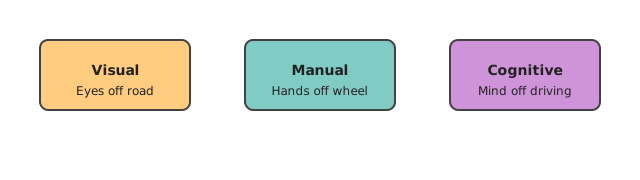
- Visual: Eyes off road.
- Manual: Hands off controls.
- Cognitive: Mind off driving.
2. Common Sources
- Mobile devices (texting, browsing).
- Eating/drinking.
- Adjusting controls (navigation, audio).
- Passengers or pets.
- External events (rubbernecking).
3. Risk Amplifiers
- High speed.
- Adverse weather.
- Night driving.
- Fatigue or impairment.
4. Mitigation Strategies
- Pre-set route & audio before departure.
- Secure loose items.
- Silence non-essential notifications.
- Adopt scanning routine to maintain situational awareness.
5. Incident Potential
Seconds of inattention can equal football-field travel distance at highway speed; reaction time and hazard detection degrade rapidly.
Quick Self-Check
- Examples of cognitive vs manual distraction?
- Why pre-setting navigation reduces risk?
- How fatigue compounds distraction?
Proceed to quiz.
3 things to remember
- Texting stacks all three distraction types—avoid while moving.
- Pre-set navigation/audio to cut mid-drive fiddling.
- Fatigue + distraction compounds risk; adjust following distance or take a break.