Vehicle Equipment & Inspections (Chapter 14)
TL;DR
Keep lights, tires, brakes, mirrors, and wipers in working order—routine checks prevent tickets and crashes.
Scope
Fundamental safety equipment, inspection considerations, maintenance habits. Verify any state-specific inspection or emissions requirements.
Learning Objectives
- Identify critical safety equipment.
- Understand purpose of inspections.
- Recognize maintenance as prevention.
- Know implications of operating with unsafe equipment.
1. Critical Safety Equipment
- Brakes.
- Lights & signals.
- Tires (tread, inflation).
- Mirrors & windshield (clear visibility).
- Horn (audible warning).
2. Inspections & Compliance
Inspections validate roadworthiness; ensure emission, safety compliance where mandated.
3. Maintenance & Prevention
- Routine checks reduce breakdown risk.
- Early detection avoids violations.
- Tire pressure, fluid levels, lighting checks recommended.
4. Unsafe Operation Consequences
- Citations or fines.
- Increased crash risk.
- Liability escalation if negligence proven.
5. Pre-Trip Quick Checklist (Sample)
- Lights functioning? (Head, tail, brake, turn)
- Tire inflation adequate?
- Windshield clear? Wipers functional?
- Mirrors adjusted?
- No obvious leaks?
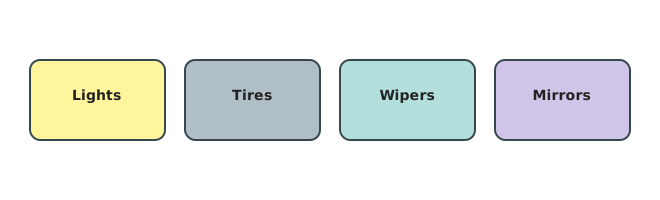
Visual: Pre-trip walkaround
Quick Self-Check
- Why inspect lights regularly?
- How does maintenance prevent violations?
- What risks follow tire neglect?
Proceed to quiz.
3 things to remember
- Replace failed bulbs promptly; brake lights are critical for rear visibility.
- Maintain tire pressure/tread; low grip harms handling and braking.
- Investigate dashboard warnings instead of ignoring them.