Be in Shape to Drive (Chapter 10)
TL;DR
Impairment and fatigue slow reactions and judgment—check meds, plan rest, and minimize distraction overlap.
Scope
Physical, mental, and impairment factors affecting driving: alcohol, drugs (prescription & illicit), fatigue, emotion, distraction interplay. Verify legal BAC limits and any zero-tolerance age specifics in official guide.
Learning Objectives
- Recognize impairment types and their effects on reaction time & judgment.
- Identify fatigue signs and mitigation strategies.
- Understand medication & driving risk consultations.
- Apply distraction management techniques.
1. Alcohol & Drug Impairment
- Slows reaction, narrows focus, impairs judgment.
- Mixing substances compounds effects unpredictably.
- Designate driver or alternative transport before consuming.
2. Medication Awareness
- Review labels for drowsiness warnings.
- Consult pharmacist/doctor about combining meds and driving.
- First-dose caution: Evaluate personal reaction before driving.
3. Fatigue
- Signs: Yawning, drifting, delayed response, microsleeps.
- Mitigation: Adequate sleep, breaks every ~2 hours, avoid late-night long drives.
4. Emotional State
- Anger or stress can trigger aggressive driving.
- Strategy: Pause, deep breathing, delay trip if severely agitated.
5. Distraction Interplay
- Cognitive (mind off task), manual (hands off wheel), visual (eyes off road).
- Use phone only in permitted hands-free manner; avoid complex interaction.
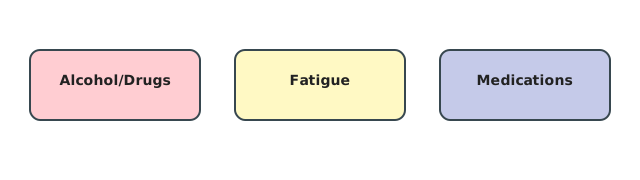
Impairment factors
Quick Self-Check
- Why avoid driving on unknown first dose medication?
- Fatigue warning signs?
- Difference between visual and cognitive distraction?
Proceed to quiz.
3 things to remember
- Be cautious with first-dose or drowsy medications before driving.
- Fatigue signs (yawning, drifting, microsleeps) demand breaks or trip delay.
- Distraction types: visual, manual, cognitive—avoid stacking them.