Sharing the Road (Chapter 7)
TL;DR
Give extra space to vulnerable users, obey bus stop-arm rules, and avoid truck blind spots and wide-turn paths.
Scope
Interaction with pedestrians, bicycles, motorcycles, school buses, large trucks, emergency & utility vehicles. Verify passing clearance distances and bus signal rules.
Learning Objectives
- Identify vulnerability factors for various users.
- Apply safe passing clearance.
- Understand school bus light/stop arm protocol.
- Adjust for large vehicle blind spots and turning radius.
1. Pedestrians
Yield at crosswalks (marked/unmarked) when pedestrians present/entering. Reduce speed in dense foot traffic.
2. Bicycles
- Provide safe lateral clearance (verify distance).
- Watch for lane position changes & hand signals.
- Avoid squeezing between bicycle and parked cars (door zone).
3. Motorcycles
Increase following distance; small profile may mask speed/distance judgment. Don’t assume persistent turn signal indicates imminent turn.
4. School Buses
Red flashing lights + stop arm: Stop (unless divided highway exceptions apply). Yellow flashing: Prepare to stop. Extra caution for loading zones.
5. Large Trucks & Buses
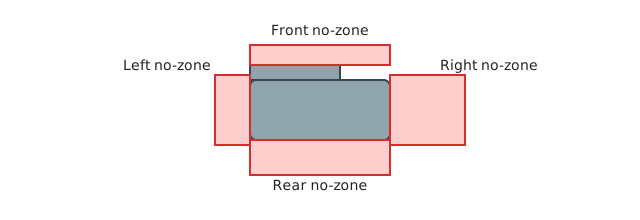
Wider turns, longer stopping distance, large blind spots. Avoid lingering in “No Zones.” Pass decisively, not slowly.
Truck No‑Zones (blind spots)
6. Emergency / Utility Vehicles
Move right & stop for approaching emergency vehicles. Slow/change lanes for stopped emergency/maintenance vehicles (Move Over law).
Quick Self-Check
- Why more following distance behind trucks?
- Difference between yellow and red bus lights?
- How to avoid truck blind spots?
Proceed to quiz.
3 things to remember
- School bus: red lights + stop arm = stop (with limited divided-highway exceptions).
- Large trucks have big “No Zones”; pass decisively and don’t linger alongside.
- Provide safe lateral clearance when passing bicycles (verify distance).